Part Load Goods Transport in India
Move Smaller Shipments More Practically Without Booking a Full Truck
Part Load transport services for businesses that need cost-aligned movement, route-based planning, and organized dispatch support across India.
DG Singhania Group supports manufacturers, distributors, factory owners, procurement teams, supply chain heads, and industrial buyers with Part Load transport services designed for smaller commercial consignments that do not require a dedicated full load truck.
+91 9572724004
Get a Part Load Estimate
Calculate Your Transport Cost
🔒 Your details are 100% secure & never shared. Response within 30 minutes.
When PTL is Best Choice
Choose Part Load When the Shipment Is Real, but the Load Is Not Full-Truck Size
Not every business dispatch needs a dedicated truck.
In actual transport work, many shipments are important, genuine, and commercially relevant — but quantity itni nahi hoti ki full truck book karna practical lage. That is where Part Load transport becomes the better fit.
In simple terms, Part Load means your goods move in a shared vehicle along with other suitable consignments on a planned route. This allows businesses to move smaller loads without paying for the capacity of an entire truck.
For many companies, this becomes the practical middle option between delaying a shipment and overpaying for a full vehicle.
What Is Part Load Transport?
Use Shared Truck Movement When Full Vehicle Booking Is Not Practical
Part Load transport means a shipment moves in a shared truck instead of one customer booking the whole vehicle.
In this model, the business pays for the portion of truck space used, not for the full vehicle.
This is usually suitable when:
- the shipment is smaller,
- the goods do not need a dedicated truck,
- and the movement can work in a shared transport arrangement.
Transport line mein yeh bahut common requirement hoti hai. Material move karna hota hai, but full truck lena commercially sensible nahi hota.
Who This Service Is For
Built for Businesses That Move Smaller Commercial Consignments Regularly
Part Load transport services are commonly suitable for:
- manufacturers sending limited stock quantities
- distributors moving smaller shipments to dealers or branches
- suppliers dispatching machine parts or industrial components
- businesses moving cartons, sacks, bundles, or palletized material in smaller volume
- companies sending packaging material, electrical goods, hardware stock, garment stock, or plastic goods
- businesses handling lower-volume intercity or interstate dispatches
It is especially useful where the movement is genuine and important, but the load size does not justify dedicated truck placement.
When Businesses Usually Need Part Load Transport
Choose Part Load When Cost Control Matters More Than Full Vehicle Exclusivity
Businesses often choose Part Load transport in situations like these:
Smaller shipment volume
If the goods are not enough for a full truck, shared movement often becomes the more practical model.
Repeated lower-volume dispatches
Many businesses send smaller quantities regularly instead of bulk loads every time.
Better cost alignment
If paying for the full truck does not make commercial sense, Part Load can support a more workable transport cost structure.
Flexible movement requirement
If the shipment does not need emergency-level direct movement, shared transport can work well.
Non-fragile regular commercial goods
Many standard business goods can move properly in a planned Part Load setup.
Stock transfer and branch movement
Part Load often works well for recurring stock movement between branches, dealers, or warehouse points.
Goods Commonly Moved in Part Load Transport
Move Smaller Commercial Goods Without Overcommitting to Full Truck Capacity
Common examples include:
- cartons of packaged goods
- electrical goods
- hardware stock
- auto parts
- machine accessories
- industrial components
- packaging material
- plastic goods
- garment stock
- branch transfer stock
- mixed commercial stock
- lighter raw material consignments
The actual suitability depends on quantity, packing condition, route, handling need, and whether the goods can move safely in a shared arrangement.
Fleet and Vehicle Options Commonly Used
Match the Shared Vehicle to the Load, Route, and Goods Type
Depending on route and shipment size, Part Load movement may be aligned in vehicles such as:
- Tata Ace / Chhota Hathi for smaller movement or feeder movement
- Pickup vehicles for moderate smaller consignments
- 14 ft truck for regular commercial smaller-load movement
- 17 ft truck where the shipment is a bit larger but still suitable for shared planning
- 20 ft truck for intercity shared movement with multiple aligned consignments
- 22 ft truck where route and shipment mix support larger shared-load execution
Vehicle selection should follow actual shipment fit. Sirf route dekhkar ya sirf rate dekhkar vehicle decide karna practical nahi hota.
How the Part Load Process Works
A Clear Shared-Load Process Helps Keep Smaller Shipments Organized
1. Requirement discussion
The first step is understanding:
- pickup point
- delivery point
- goods type
- quantity
- weight or dimensions
- preferred dispatch date
- handling notes, if any
2. Shipment review
The load is checked for commercial and transport suitability within a shared movement model.
3. Route and vehicle alignment
Based on route, goods profile, and shipment size, the consignment is aligned in a suitable shared vehicle setup.
4. Shared movement execution
The goods move along with other compatible consignments under planned route-based coordination.
5. Delivery completion
The shipment is completed within the confirmed movement scope and route planning structure.
Jitni clear details starting mein di jati hain, utni better Part Load planning ho paati hai.
Main Benefits of Part Load Transport
Control Smaller Shipment Costs Without Stopping the Movement
Better cost alignment
You do not need to pay for a full truck when only part of the space is actually needed.
Practical for recurring smaller dispatches
Part Load suits businesses that regularly move limited commercial quantities.
Useful for many regular goods categories
Cartons, hardware items, electrical stock, machine parts, and packaging goods often fit this model well.
Better use of available truck capacity
Shared transport helps use commercial vehicle space more efficiently.
Supports regular business movement
It gives businesses a workable option for smaller but important consignments.
Reduces unnecessary full-truck spending
This is one of the main reasons Part Load is chosen in actual operations.
What Affects Part Load Planning?
Good Part Load Planning Starts with Clear Shipment Details
Several factors affect whether a shipment should move through Part Load and how it should be planned:
Goods type
Regular commercial goods are easier to align than highly fragile or highly sensitive items.
Quantity and volume
The shipment should genuinely be part-load size, not large enough for a better FTL fit.
Weight and dimensions
These details matter for vehicle planning and load suitability.
Pickup and delivery points
Route practicality and access conditions affect shared movement planning directly.
Dispatch timing
If timing is extremely tight, Part Load may not always be the right fit.
Packing and handling condition
Fragile, sensitive, or unusual goods need proper review before being aligned in shared transport.
Transport mein sirf “small load hai” bolne se planning complete nahi hoti. Goods type, size, timing, and route sab matter karte hain.
When Part Load May Be Better Than Full Truck Load
Choose Part Load When Full Truck Booking Creates Unnecessary Cost
Part Load is often the better choice when:
- the shipment is smaller
- dedicated vehicle use is not necessary
- timing is manageable
- goods can move in a shared setup
- cost control is important
- recurring smaller dispatches are involved
If the load is larger, more urgent, more sensitive, or needs direct movement without mixing, Full Truck Load may be the better choice. But where the requirement is smaller and commercially moderate, Part Load often fits better.
Why Businesses Choose Professional Part Load Support
Better Shared-Load Outcomes Come from Better Shipment Matching
In actual transport work, many Part Load issues start because:
- quantity is not shared properly
- goods type is described vaguely
- fragile items are not declared
- timing expectations are unclear
- vehicle fit is assumed, not planned
- only rate is discussed, not suitability
That is why businesses usually prefer support that looks at the actual load profile first.
Professional Part Load coordination helps with:
- reviewing whether the load suits shared movement
- aligning the right route and vehicle
- reducing planning confusion
- avoiding mismatch between shipment and transport model
- supporting more practical cost and dispatch planning
Sahi Part Load planning tab useful hoti hai jab shipment actual profile ke hisaab se shared vehicle mein fit baithe.
Our Services
Transport and Logistics Services Aligned to Actual Requirement
We provide transport and logistics support for businesses across India through requirement-based planning and coordinated execution.
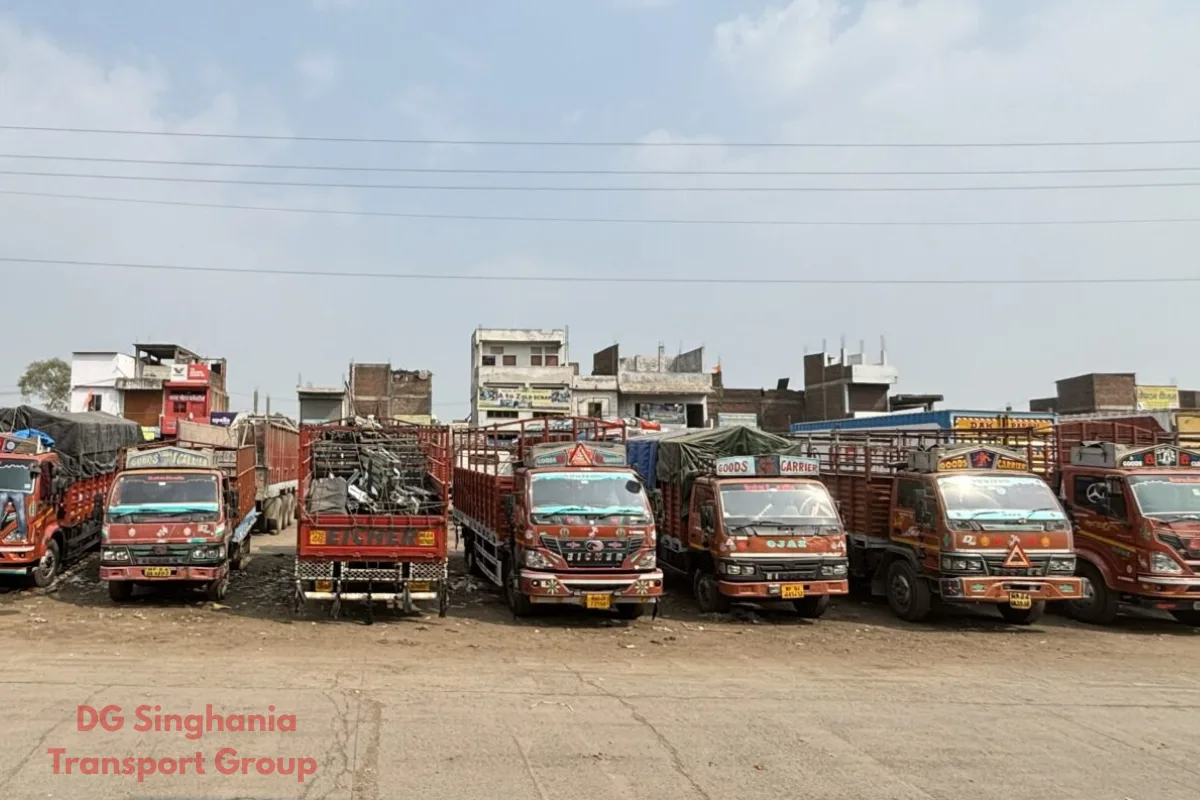
Truck Rental
Vehicle placement support for businesses that need transport capacity for scheduled dispatches, recurring movement, commercial supply needs, or project-based requirements.
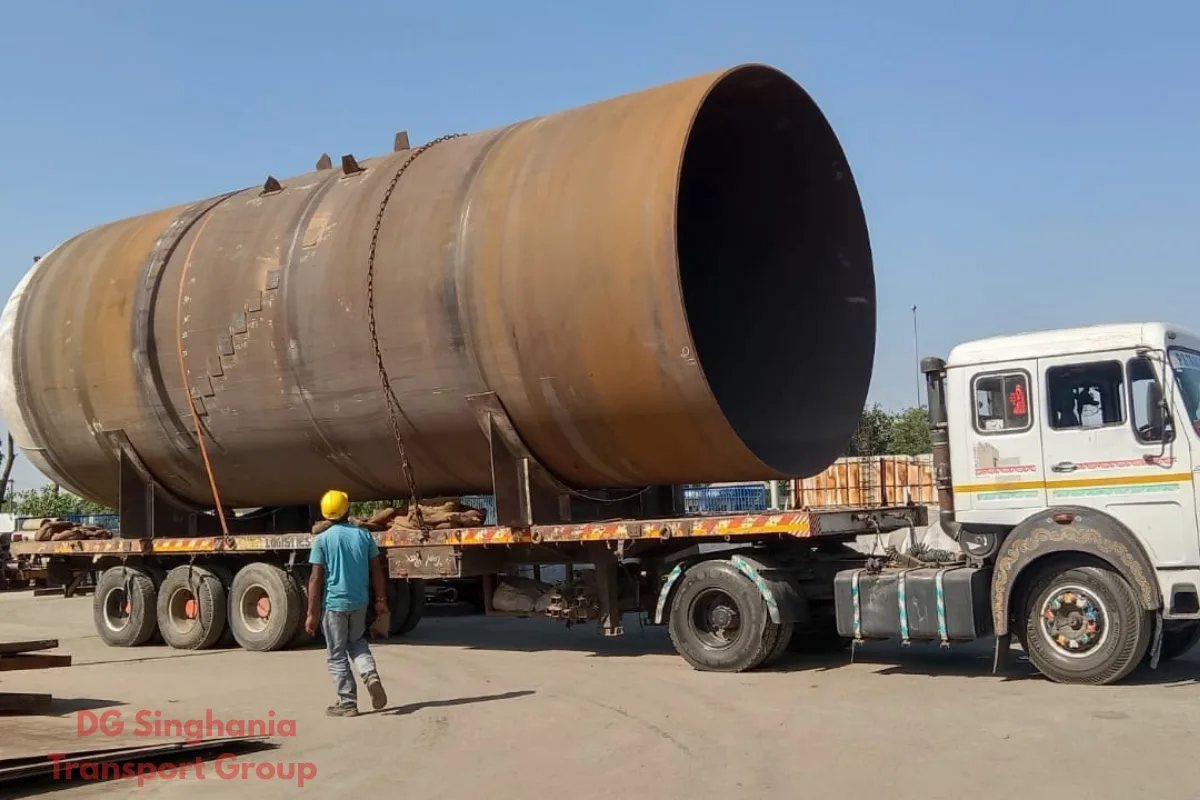
ODC Trailer Placement
Support for over-dimensional and specialized cargo movement where trailer suitability, route planning, and movement coordination are critical.
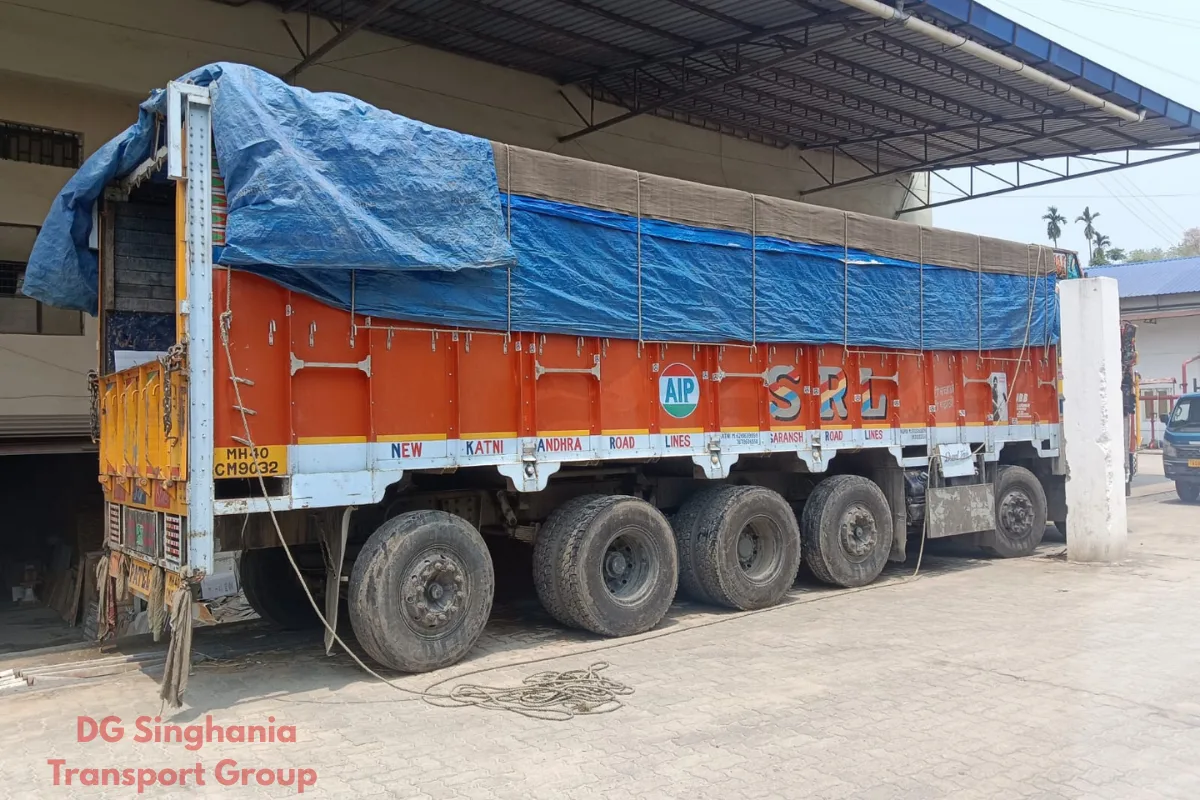
Full Truck Load Transport
Dedicated truck movement for bulk consignments, industrial loads, commercial dispatches, and time-sensitive transport requirements.
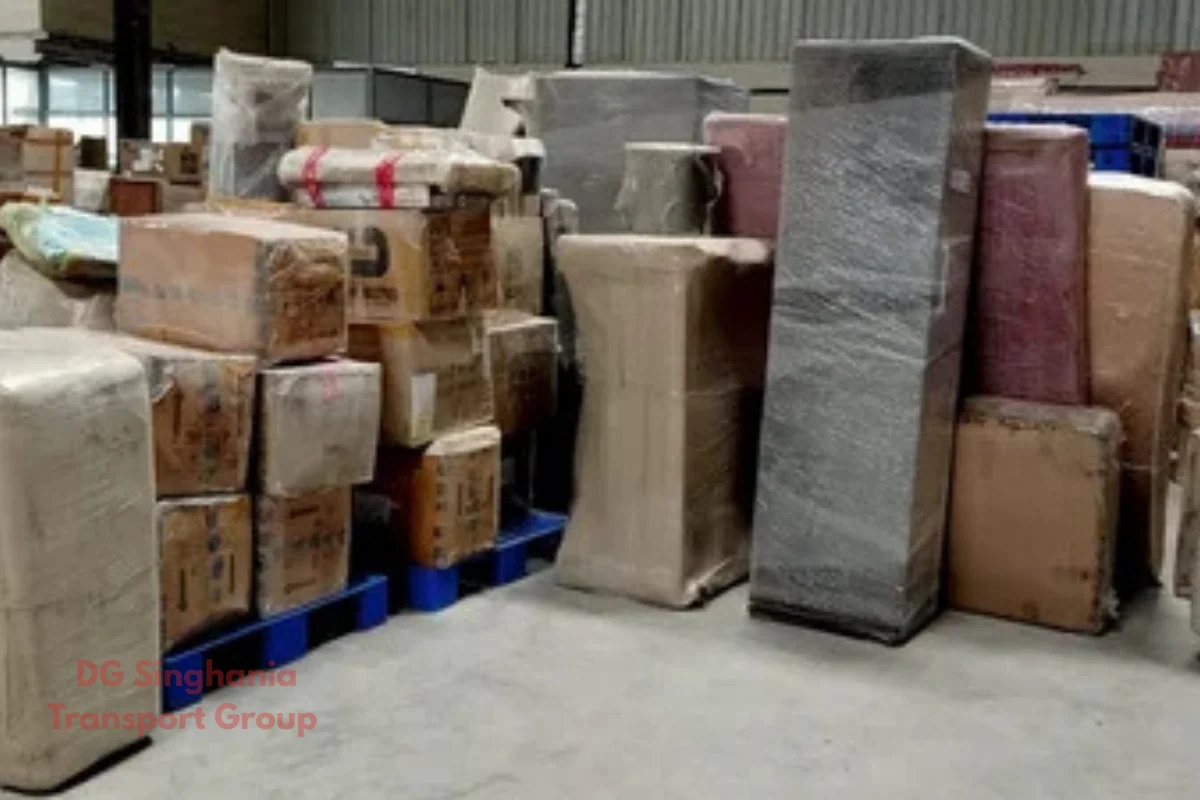
Part Load Transport
Shared-load transport support for businesses seeking practical movement options for smaller consignments without booking an entire vehicle.
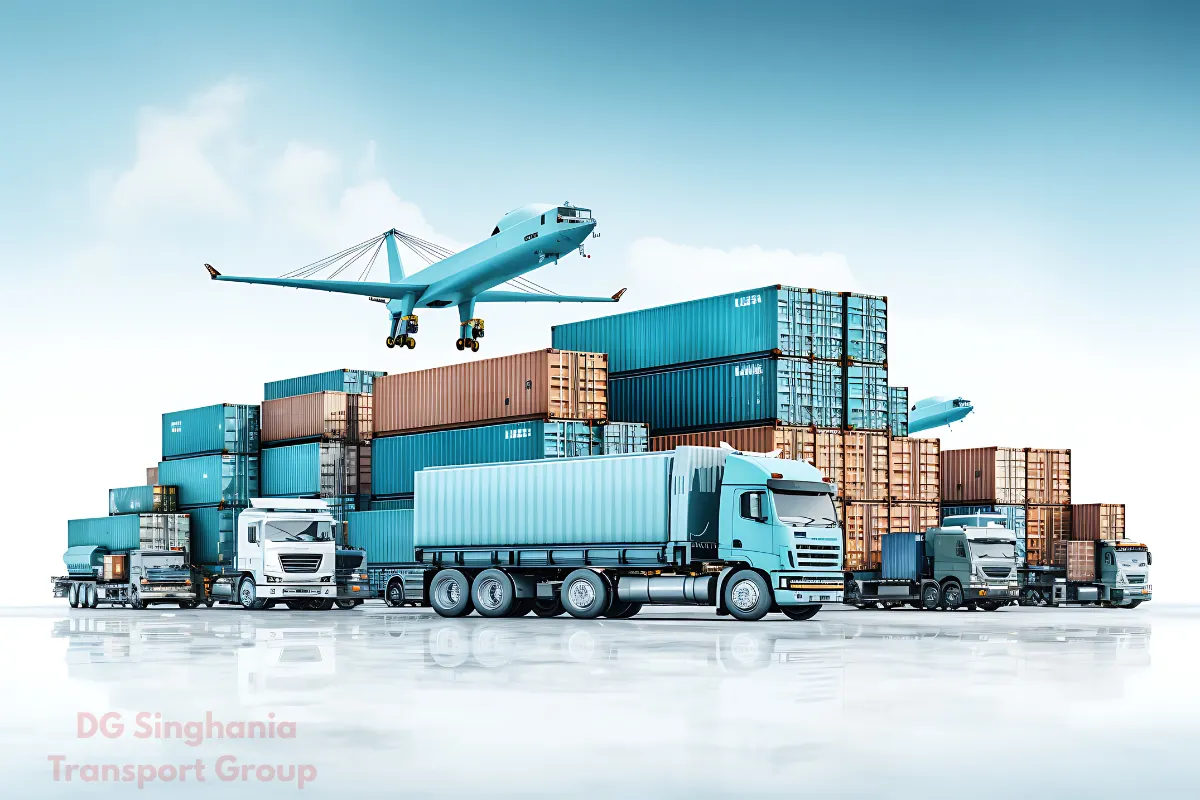
Logistics Coordination
Planning and movement support covering dispatch alignment, route consideration, load handling coordination, and communication flow during execution.
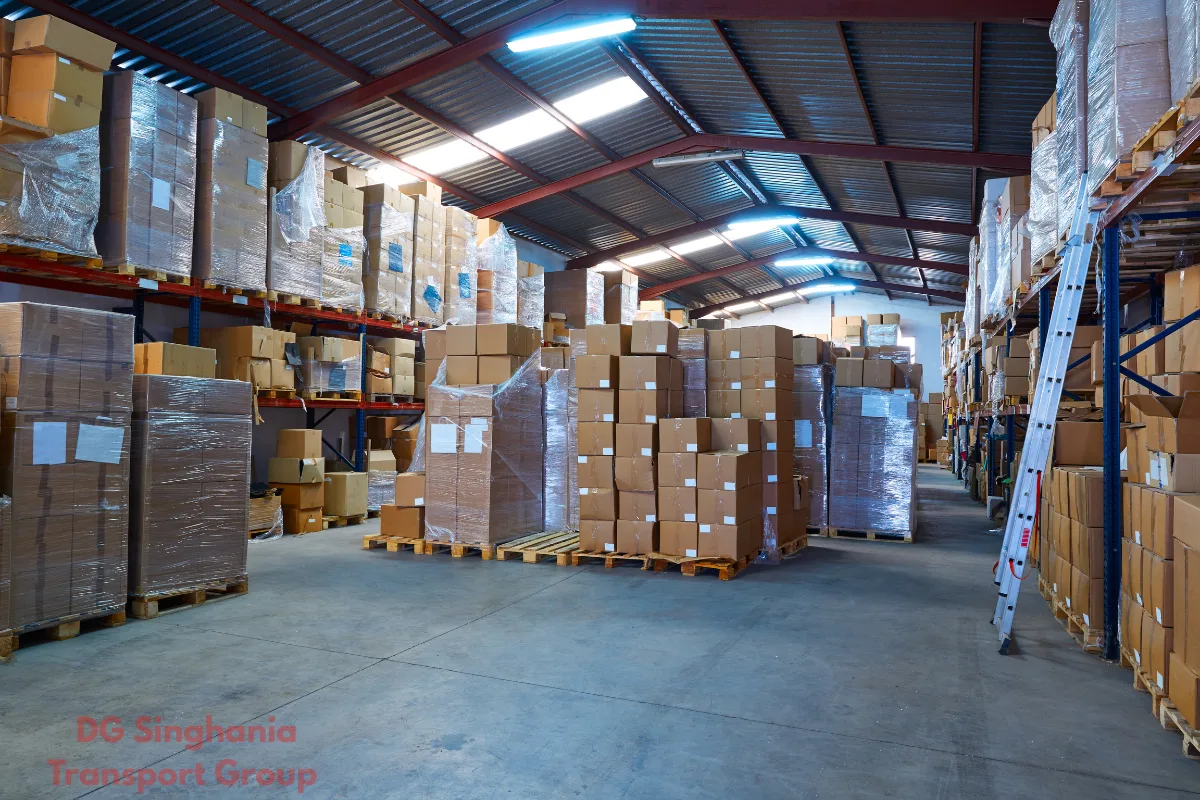
Warehousing Support
Warehousing-linked assistance for businesses requiring storage support as part of larger transport, distribution, or dispatch operations.
All India Services
Cities and Regions We Support
DG Singhania Group supports transport and logistics requirements across India based on route feasibility, load type, vehicle suitability, and operational planning. We work with businesses that need movement support across major industrial, commercial, and distribution corridors.
Our service coverage is requirement-based, with support available across key cities, industrial regions, and inter-state transport routes.
Our service coverage is requirement-based, with support available across key cities, industrial regions, and inter-state transport routes.
Frequently Asked Questions
What Businesses Usually Ask Before Booking Part Load
What does Part Load transport mean?
Part Load transport means your goods move in a shared truck with other consignments instead of using a dedicated full vehicle.
Who should use Part Load transport?
It is usually suitable for businesses moving smaller commercial loads such as cartons, machine parts, packaging material, electrical goods, or limited industrial stock.
Is Part Load cheaper than Full Truck Load?
For smaller consignments, it is often more cost-efficient because you pay only for the truck space your goods use.
Which vehicles are used in Part Load transport?
Depending on load size and route, Part Load shipments may move in Tata Ace, pickup vehicles, 14 ft trucks, 17 ft trucks, 20 ft trucks, or 22 ft commercial trucks.
Is Part Load suitable for urgent shipments?
Not always. If the shipment is highly urgent or needs dedicated direct movement, Full Truck Load may be more suitable.
What details should be shared before booking Part Load?
It helps to share pickup point, delivery point, goods type, quantity, weight or dimensions, preferred date, and any handling notes.
Can Part Load work for recurring dispatches?
Yes. It is often a practical option for businesses that regularly send smaller consignments.
🚚Need to move a smaller commercial shipment across India?
Share your route, goods type, and load details for a practical Part Load discussion.