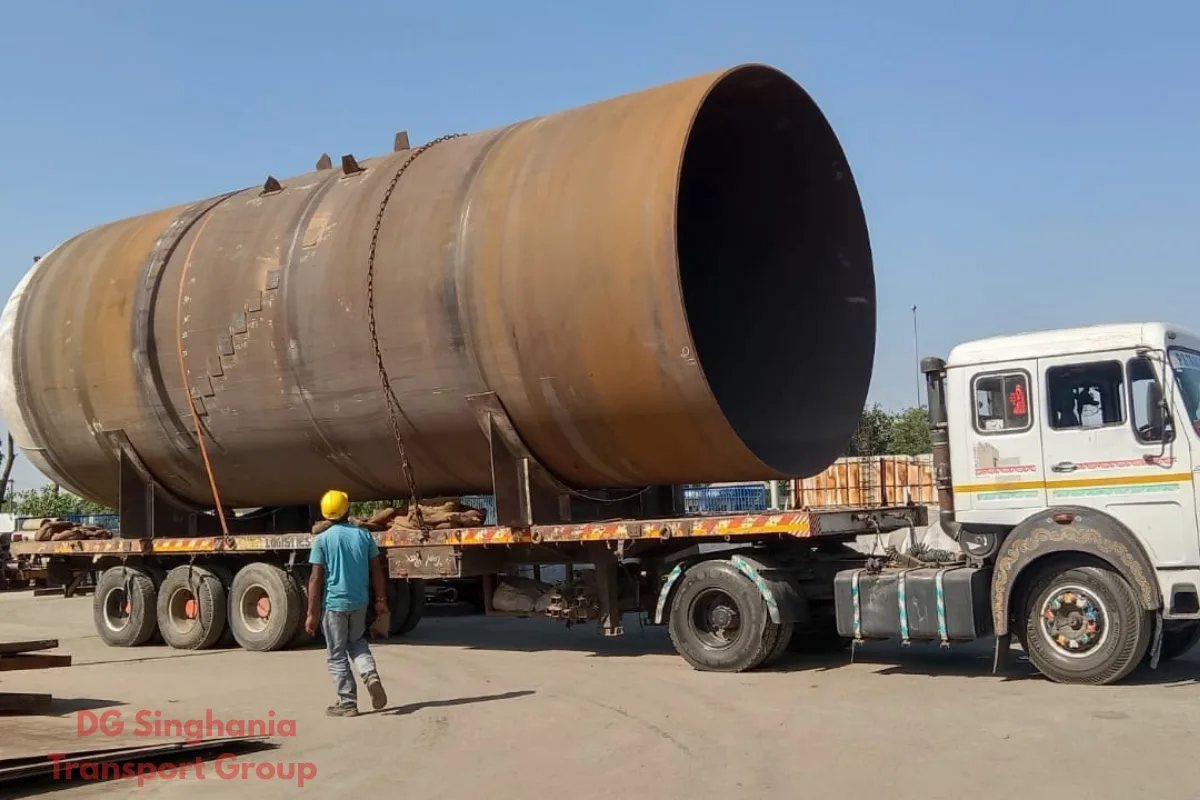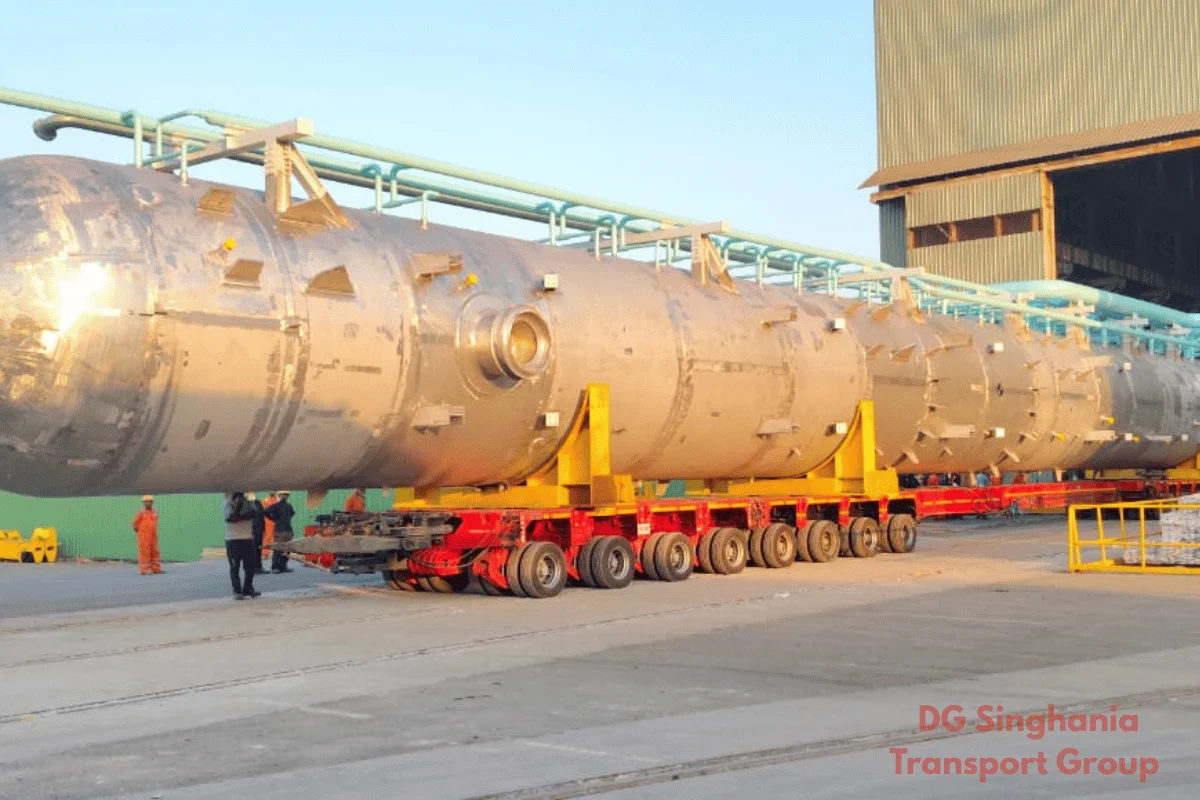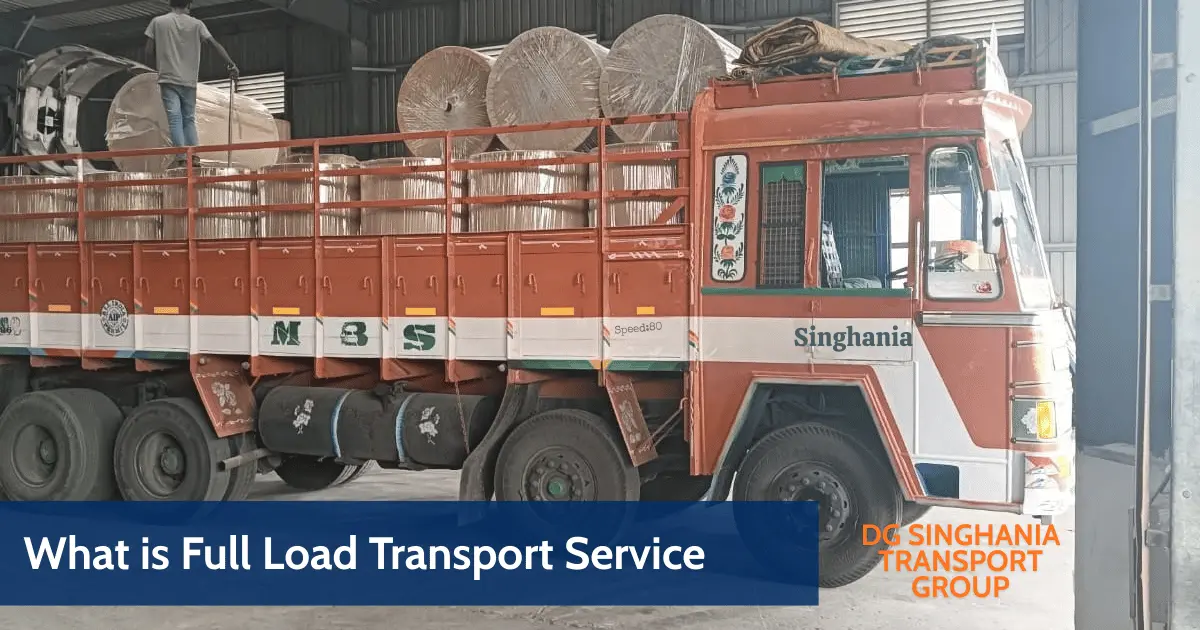
When a load is large, time-sensitive, or operationally important, one of the first transport decisions is whether it needs a dedicated truck or a shared-load arrangement.
That is where Full Truck Load transport, or FTL, becomes relevant.
For many businesses, FTL is not simply a transport category. It is a planning decision that affects dispatch control, handling exposure, route alignment, and overall movement efficiency. If the shipment needs direct movement without being combined with other consignments, FTL is often the more suitable option.
This guide explains what Full Truck Load transport means, when businesses usually choose it, and what should be checked before booking it.
What Is Full Truck Load Transport?
Full Truck Load transport means one customer uses a dedicated truck for a shipment, instead of sharing vehicle space with other consignments.
In simple terms, the vehicle is allocated for one party’s goods and the movement is planned around that requirement alone.
FTL does not always mean the truck is filled to maximum capacity. In many cases, businesses choose it because they need:
- Entire vehicle use,
- more direct movement,
- fewer handling stages,
- or better dispatch alignment.
So, in practical transport planning, FTL is often about dedicated use of the vehicle, not only about filling the truck completely.
When Businesses Usually Choose FTL
Businesses usually choose Full Truck Load transport when the shipment needs more control, better movement alignment, or a dedicated vehicle setup.
FTL is often suitable when:
- the load volume is large,
- dispatch timing matters,
- goods should not be mixed with other consignments,
- handling should be minimized,
- or the shipment needs a more direct transport arrangement.
This is why FTL is commonly used in commercial and industrial movement where planning accuracy matters more than simply finding the lowest transport cost.
Who Is Full Truck Load Transport Best Suited For?
FTL is commonly used by businesses that move larger commercial or industrial consignments and prefer dedicated execution.
It is often relevant for:
- manufacturers dispatching bulk goods,
- factories moving scheduled loads,
- distributors transferring larger stock volumes,
- industrial suppliers with time-sensitive requirements,
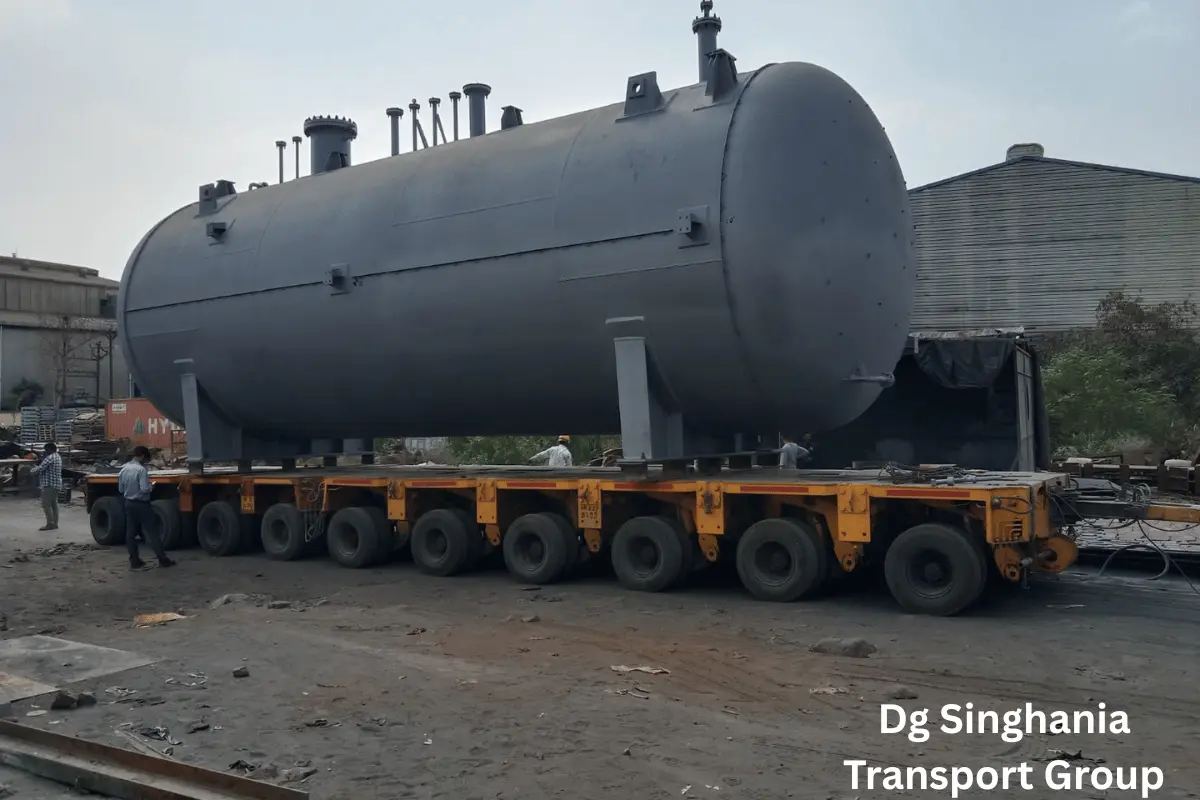
- businesses moving heavy or high-volume consignments,
- and companies that want direct movement with fewer intermediate handling stages.
In short, FTL is usually most suitable when the cargo is important enough to justify a dedicated vehicle.
How Full Truck Load Transport Works
The process usually begins when a business shares the movement details, such as:
- pickup point,
- delivery point,
- type of goods,
- approximate quantity,
- weight or dimensions,
- preferred dispatch date,
- and any loading, unloading, or route-related considerations.
Based on those details, a suitable vehicle is identified and aligned to the requirement. Once the service scope is confirmed, the truck is placed for that shipment and the movement is executed under a dedicated arrangement.
Because the truck is not shared with other consignments, planning is generally more straightforward. This is one of the main reasons businesses choose FTL when they want clearer dispatch control.
When Is FTL the Right Choice?
1. When the shipment volume is large
If the load is substantial enough to justify a dedicated vehicle, FTL often becomes the more practical option.
2. When delivery timing affects operations
If production schedules, inventory movement, or project timelines depend on timely dispatch, a dedicated truck often supports better planning.
3. When goods should move without load mixing
Some businesses prefer goods to travel without being combined with multiple consignments, especially when the shipment is commercially important or handling-sensitive.
4. When handling points need to be reduced
Fewer transfer stages generally mean more direct movement and less unnecessary load disturbance.
5. When unloading needs to be planned more precisely
Some commercial loads require better arrival coordination at the receiving point. Dedicated movement can support that more effectively.
6. When the load pattern suits one vehicle
In many cases, the quantity, packaging, or loading format makes dedicated truck placement the more suitable transport model.
Main Advantages of Full Truck Load Transport
Dedicated vehicle allocation
The truck is used for one customer’s shipment, which gives the business more direct control over the movement setup.
Better dispatch alignment
FTL is often easier to align with a business’s preferred dispatch timing and shipment schedule.
Fewer handling stages
Since the load is not being moved as part of a broader shared arrangement, there are usually fewer transfer points.
Better suitability for bulk commercial loads
Larger, heavier, or more structured consignments are often better managed through a dedicated truck model.
More direct movement planning
The route and movement are aligned around one shipment, which often makes execution more straightforward.
When FTL May Not Be the Best Option
Full Truck Load transport is not automatically the right choice for every requirement.
It may be less suitable when:
- the shipment is too small to justify a full vehicle,
- the budget is better aligned with shared goods transport,
- the load does not require dedicated movement,
- or the business has enough timing flexibility to use part-load planning instead.
This is why transport selection should be based on the actual shipment profile, not only on assumptions.
Full Truck Load vs Shared Transport
The biggest difference between FTL and shared transport is vehicle exclusivity.
In FTL:
- one customer books the vehicle,
- movement is planned around one shipment,
- and handling is usually more direct.
In shared transport:
- multiple consignments may travel in the same vehicle,
- coordination is broader,
- and the model is often more suitable for smaller loads.
Neither option is universally better. The right choice depends on:
- load size,
- urgency,
- route,
- handling requirements,
- and overall commercial practicality.
What Businesses Should Check Before Booking FTL
Before booking Full Truck Load transport, it helps to review the requirement carefully.
Load type
The type of goods affects truck suitability, loading pattern, and handling needs.
Quantity, weight, or dimensions
This helps determine whether a dedicated vehicle is commercially practical and operationally suitable.
Pickup and delivery points
Route scope, site access, and unloading conditions can influence the movement plan.
Preferred dispatch date
Timing matters, especially where delivery is linked to production, stock, or project activity.
Vehicle suitability
The truck should match the requirement properly, not just be available for the route.
Handling and operational notes
Any packaging concerns, loading restrictions, or special instructions should be shared before final planning.
The clearer these details are, the easier it becomes to align the right transport arrangement.
Common Mistakes Businesses Make While Planning FTL
Some transport problems begin at the requirement-sharing stage.
Common mistakes include:
- assuming every large shipment automatically needs FTL,
- sharing incomplete load details,
- focusing only on transport rate instead of suitability,
- not clarifying weight, dimensions, or handling requirements,
- and leaving dispatch planning too late.
In most cases, better transport outcomes begin with better requirement clarity.
Why FTL Matters in Business Transport Planning
For businesses, transport is not only about moving goods from one location to another. It is also about maintaining dispatch continuity, reducing avoidable handling issues, and aligning shipment movement with operational needs.
That is why Full Truck Load transport remains an important option for businesses that need:
- dedicated vehicle use,
- more direct movement,
- clearer dispatch control,
- and a commercially practical transport setup for larger loads.
Frequently Asked Questions
What does Full Truck Load mean?
Full Truck Load means one customer books a dedicated truck for a shipment instead of sharing vehicle space with other consignments.
Does FTL always mean the truck is completely full?
No. FTL often means the vehicle is dedicated to one shipment, even if the truck is not filled to maximum capacity.
Who should use Full Truck Load transport?
FTL is usually suitable for businesses moving larger commercial loads, bulk goods, scheduled dispatches, or shipments that need dedicated movement.
Is FTL faster than shared transport?
It can be more direct because the truck is allocated to one shipment, but actual timelines still depend on route, planning, and operating conditions.
Is FTL more expensive than part load?
Not always in practical terms. For larger shipments, FTL may be the more suitable and commercially workable option.
What details should be shared before booking FTL?
It helps to share pickup point, delivery point, load type, quantity, weight or dimensions, dispatch date, and any handling requirements.
Final Thought
Full Truck Load transport is usually the right choice when a business needs a dedicated vehicle, clearer dispatch alignment, and a more direct shipment movement model.
The best decision depends on the actual requirement, not just on whether the truck can be filled. When the route, load, and timing are understood properly, FTL can become the more suitable and commercially practical transport option.